Nutrition that supports health, independence, and confidence in aging.
Welcome to The Geriatric Dietitian! We’re so glad you are here.
The Geriatric Dietitian is your go-to-resource for nutrition that supports health, independence, and confidence in aging. We offer evidenced-based, easy to understand nutrition and general health information- all specific to the older adult.
This website is FULL of information to help you. You can search for topics, browse the blog, or check out our categories.
Learn more about my background, our editorial process, and core values below.
Katie Dodd, MS, RDN, CSG, LD, FAND
Healthy Aging Starts Here
Get your free guide with nutrition tips for healthy aging.
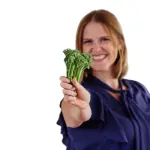
I am a geriatric dietitian, writer, speaker, mentor, and leader.
Thank you for visiting! I am passionate about the field of nutrition and the care of older adults in our communities. I have been a Registered Dietitian since 2008 and have extensive experience working with the elderly.
As a dietitian in media, I have been featured in the New York Times, The Washington Post, Today’s Geriatric Medicine, AARP, CNN, MSM, Parade, Fox News, etc. I have been a reviewer for U.S. News & World Report Best Diets from 2022-2024. And I am a contributing author for the premier geriatric nutrition text, Nutrition Care of the Older Adult, 4th edition.
As a volunteer leader in my field, I have served in a variety of roles. I have served as the President of the Oregon Academy of Nutrition and Dietetics, the Chair of the Healthy Aging Dietetic Practice Group, and as a Commissioner for the Commission on Dietetic Registration (CDR).
I am a Fellow of the Academy of Nutrition and Dietetics. And as a geriatric nutritionist, I have been a Board Certified Specialist in Gerontological Nutrition (CSG) since 2013. But most importantly, I love to continually learn and to help others to grow.
My vision is a world where everyone has access to a geriatric dietitian. Or at least access to good nutrition information specific to older adults. I want the world to approach old age and end of life with knowledge, empowerment, and hope.
I am appreciative of those who came before me. And above all, I am in awe of the everyday caregiver who supports our older adults as they near end of life.
I am so appreciative of your support and look forward to the opportunity to serve and work with you.
Thank you!!
Katie M. Dodd, MS, RDN, CSG, LD, FAND
The Geriatric Dietitian

Editorial Process
There is a lot of nutrition and health information on the internet. What makes this website a reliable one with information you can trust?
All content is created by Katie Dodd, MS, RDN, CSG, LD, FAND unless otherwise indicated. Katie has a Masters degrees in nutrition, completed 1,200 hours of supervised practice through an accredited dietetic internship program, and passed a national exam to obtain the dietitian credential. To maintain this credential requires 75 hours of continuing education every 5 years.
Additionally Katie is a Board Certified Specialist in Gerontological Nutrition (CSG) which requires 2,000 hours practice experience and passing of a national exam every five years to maintain the credential.
As a dietitian since 2008, Katie brings years of experience as a geriatric dietitian and based on current literature and research. Our content includes references to peer-reviewed research articles, academic text books, or websites you can trust (from government or academic institutions). The Geriatric Dietitian is about science and not popularity, click-bait, or trends.
When a guest authors posts on this website, all content is edited and fact checked by Katie or her staff prior to publication. Guest authors use the same process of research and referencing. All content is reviewed at least annually and updated as needed based on changes in science.
Our Core Values
Aging is a broad spectrum; the needs of a working 65-year-old vary greatly from the needs of a 105-year-old on hospice. The Geriatric Dietitian covers a lot of different topics, but our core values remain the same.
- Advocacy– Championing the needs of older adults by speaking out against harmful, restrictive diets and promoting nutrition strategies that truly serve their health and well-being.
- Empowerment– Equipping older adults with the knowledge and confidence to make food choices that support their health, independence, and joy—encouraging self-advocacy along the way.
- Independence– Supporting older adults in maintaining strength, mobility, and autonomy so they can age with confidence and live life on their own terms.
- Dignity– Honoring every individual with respect- regardless of health status or cognition- and ensuring nutrition care always preserves their humanity and worth.
- Health– Harnessing the transformative power of food to optimize health, manage medical conditions, and improve quality of life- without unnecessary restriction.
- Love & Compassion– Leading with care, kindness, and empathy. Food is not just nourishment- it’s joy, comfort, and an expression of love at every stage of life.
- Evidence-Based Information– Offering clear, evidence-based nutrition information that cuts through the noise and empowers older adults to make confident choices.
- Whole-Person Care & Collaboration– Recognizing that nutrition is one piece of the puzzle. Valuing the role of the entire healthcare team- physicians, nurses, therapists, social workers, dentists, physical therapists, occupational therapists, pharmacists, dietitians- in supporting older adults’ health and well-being.